For Osteopenia & Bone Health
Strength training that builds bone density — safely, effectively, and backed by science.
Build Bone Density
Our osteogenic loading protocol and progressive resistance training are clinically shown to stimulate bone growth and slow bone loss.
Safe for All Levels
Controlled, slow-motion movements eliminate impact and reduce fracture risk — ideal for those with osteopenia or osteoporosis.
Specialty Equipment
FDA-registered Regenesis bone density systems and Nautilus One machines deliver precise, measurable loading.
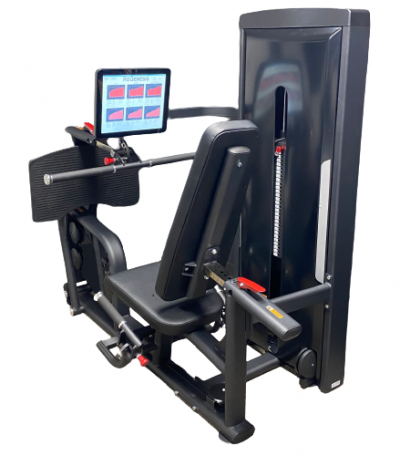
Regenesis™ Bone Density System
Osteogenic loading devices designed to stimulate bone growth through compression of multiples of your bodyweight, in a fully braced position that keeps the load off vulnerable joints.
Output is measured every session, so loading is objective and progress can be tracked and shared with your physician.
See the full equipment lineupNautilus One™ Series
Cam-based machines that deliver variable resistance matched to the human strength curve — more resistance where you're strongest, less where you're most vulnerable. The result is meaningful load through a movement path the equipment controls.
The lineup includes dedicated cervical and lumbar machines, so the spine is trained directly rather than incidentally.
See the full equipment lineup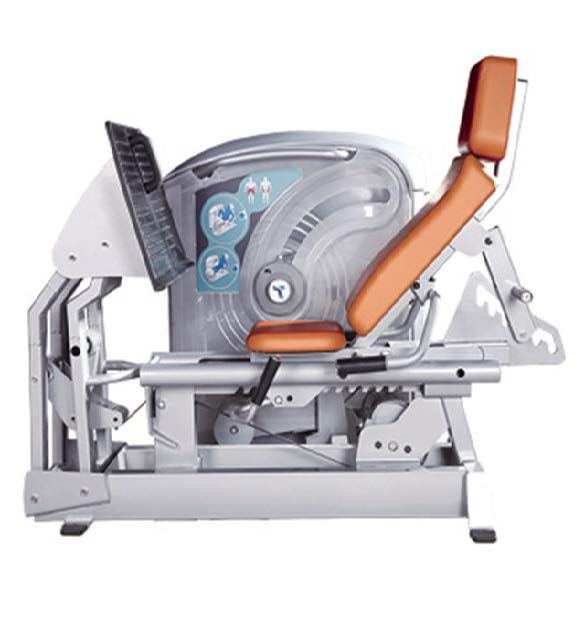
Safe loading when fracture risk is the concern
Bone responds to load, but load has to be delivered in a way that doesn't create the very injury you're trying to prevent. That's what the protocol is designed around.
No impact, no ballistic loading
Every repetition is slow and controlled. Nothing is dropped, bounced, or swung — the loading patterns most associated with fracture risk are simply not part of the protocol.
Fixed machine movement paths
Guided equipment holds the spine and hips in position, so form doesn't deteriorate as you fatigue late in a set.
One-on-one supervision
A trainer sets every machine, watches every rep, and adjusts on the spot. No unsupervised loading, ever.
Progression at your pace
Resistance advances only when your time-under-load targets are met, so bone and connective tissue adapt before the load increases.
Documented, shareable results
Session-over-session output is recorded so progress reports can be shared with your physician.
Balance work alongside strength
Korebalance training addresses fall risk directly — the mechanism behind most fragility fractures.
The research behind bone loading
Peer-reviewed evidence on resistance training and bone mineral density, fall prevention, menopause, and training safety.
Bone Mineral Density & Osteoporosis
Peer-reviewed research on resistance training and bone mineral density, including the LIFTMOR trial in postmenopausal women with osteopenia and osteoporosis.
Read the evidenceBalance & Fall Prevention
Systematic reviews and meta-analyses on resistance exercise, balance ability, and fall prevention efficacy in older adults.
Read the evidenceMenopause & Midlife Women's Health
Systematic review evidence on strength exercise for menopause symptoms, alongside bone density and creatine research relevant to midlife women's health.
Read the evidenceTraining Environment & Injury Risk
Emergency department and epidemiologic data on injuries sustained at fitness facilities and in aerobic fitness classes.
Read the evidenceOlder Adults, Sarcopenia & Functional Capacity
Systematic reviews and RCTs on resistance training in older and very elderly adults: sarcopenia, quality of life, grip strength, and long-term retention of gains.
Read the evidence